
Celebrating Indigenous Peoples’ Day: From Wildlife Hunter to Wildlife Protector
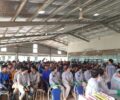
To Join the Indigenous People in Cambodia and in the world to celebrate the “Indigenous People’s Day”, NatureLife Cambodia is happy to share a story of an indigenous people who has actively engaged in protection of the biodiversity and natural resources in a sustainable use zone allocated for community protected area.
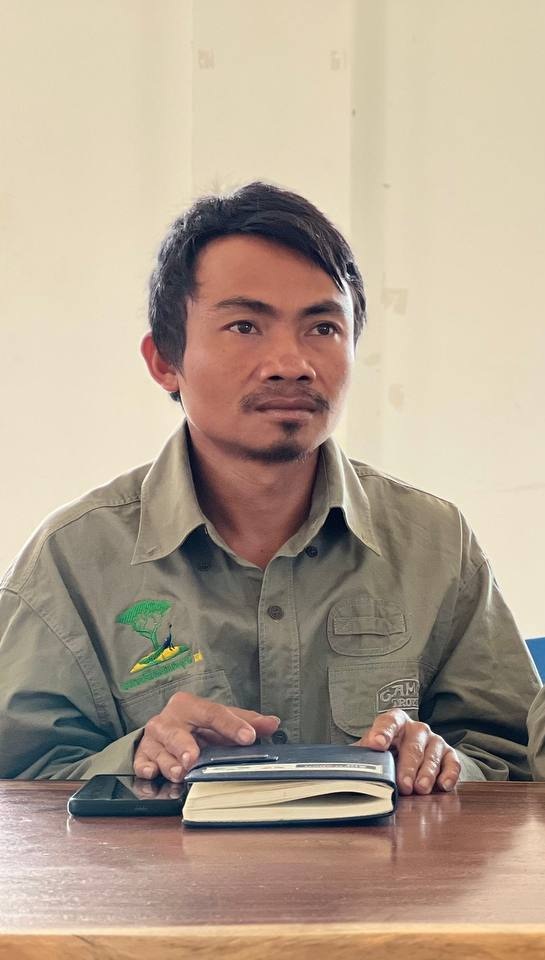
Mr. Met Lay is Kroal Indigenous Ethnicity and is living in Roveak Village, Roya Commune, Koh Nhek District, Mondulkiri Province. He is 37 years old. Like other indigenous people in the village, he culturally and traditionally practiced hunting of wild animals for family’s consumption and collecting non-timber forest products before engaging with the Project.
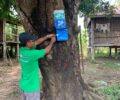
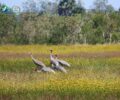
Roveak Village was selected as the LWS REDD+ Project’s target village because it complies all the five criteria set by the Project.[1] The village is located in the community zone of the Lomphat Wildlife Sanctuary (LWS); the villagers are Kroal indigenous people; the villagers access non-timber forest products and natural resource use; the villagers access land-use in the LWS and the village is the member of Roveak CPA. As one of the Project’s target villages, it has been supported by the LWS REDD+ Project such as reactivating establishment of Roveak CPA and developing the CPA’s management plan, monthly patrolling, ibis rice program, trapeang restoration, biodiversity monitoring and nest searching since 2023.
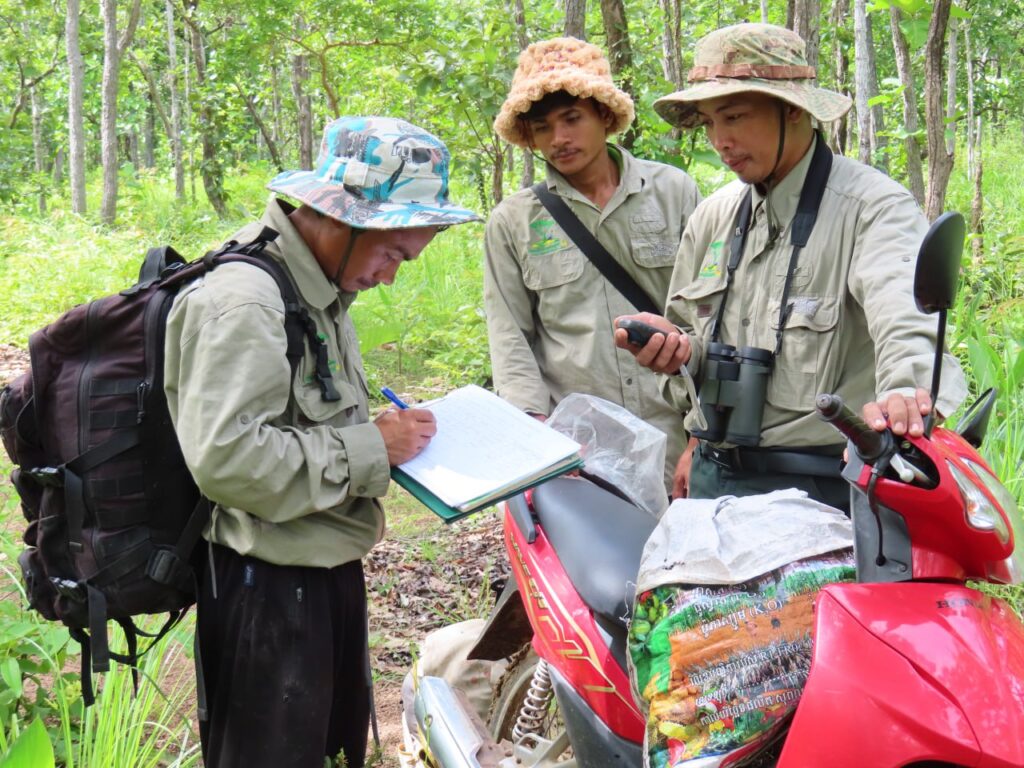
Mr. Met Lay was elected by Roveak villagers to be the member of the Roveak CPA committee in 2023. He has been active in biodiversity conservation and natural resource protection. He changes his attitude from hunter to wildlife and bird lover. Currently, he uses a mobile phone or camera to take photos of wildlife while in the past he used snares to trap the wildlife for food. He said that “Before becoming a member of the committee, he used to set traps and consume wild meat in the traditional way of indigenous peoples. Now, he has stopped eating wild meat and turned to conserving wildlife and natural resources. He realizes that wildlife and forests are very important for indigenous people like him. The forest has provided food and livelihoods for him and indigenous people, and it can help reduce the impacts of climate change. He wants future generations to have the opportunity to know the remaining wildlife.”
Related Articles