
Over USD 11,000 saved within 13 months by Tuol Neang Sav Plov Loung Community Protected Area
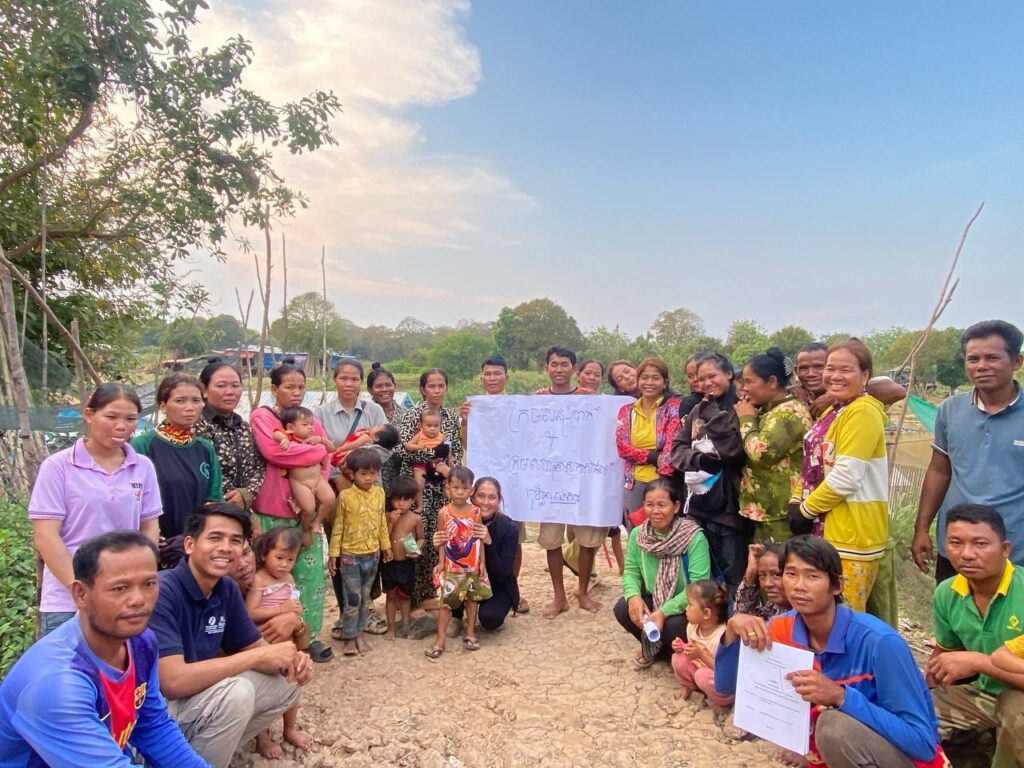
In just 13 months since May 2025, the community-based microfinance (Saving group) in Toul Neang Plov Loung Community Protected Area (CPA) has successfully accumulated savings totaling 45,575,300 riels (approximately USD 11,393.82). This is a significant achievement for the CPA , demonstrating the power of community-led financial management to strengthen livelihoods while supporting long-term natural resource conservation.
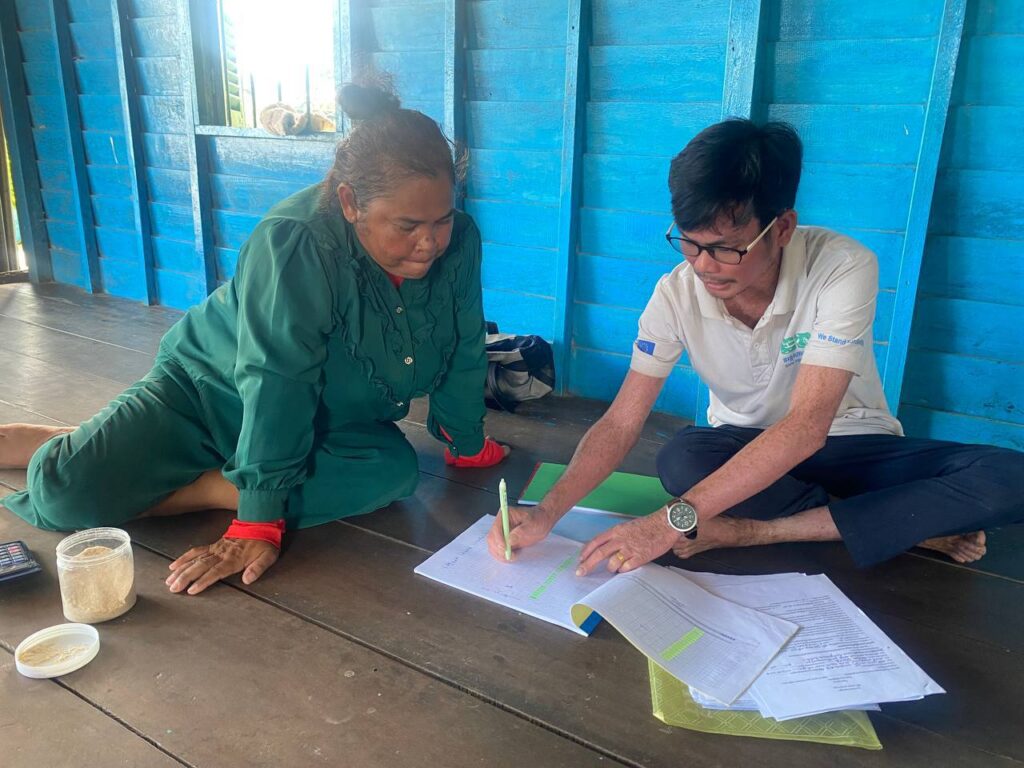
The Community-based Microfinance Group, or Savings Group, was first established in 2024 within Tuol Neang Sav Phlov Luong CPA, located in Phat Sanday Commune, Kampong Svay District, Kampong Thom Province. Following the successful completion of its first phase, the group expanded into a second phase in May 2025, increasing its membership to 47 members, including 26 women, while also raising the monthly savings contribution up to 50,000 Riel per member or USD 12.50, creating a community fund that provides affordable loans and reduces dependence on external banks and microfinance institutions.
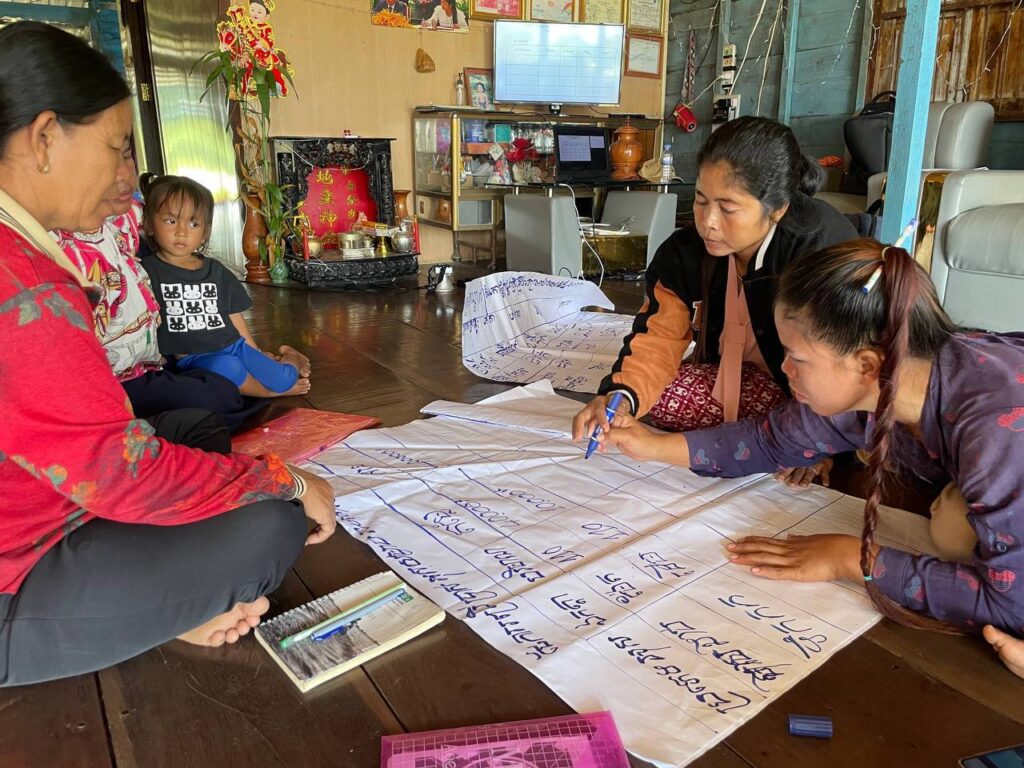
Through these savings, CPA members have been able to:
 Purchase legal fishing gear and boats
Build floating fish farm and purchase fish supply
Repair floating houses
Support their children’s education
Cover healthcare expenses
Expand smoked fish processing businesses.
Beyond improving household incomes and financial security, the savings group has strengthened community solidarity and created opportunities for sustainable local development.
Building on this success, NatureLife Cambodia will facilitate knowledge sharing with communities in Koh Kapi and Koh Sralao Community Protected Areas within Koh Kapi Ramsar site, where similar savings groups are planned to be established in the near future.
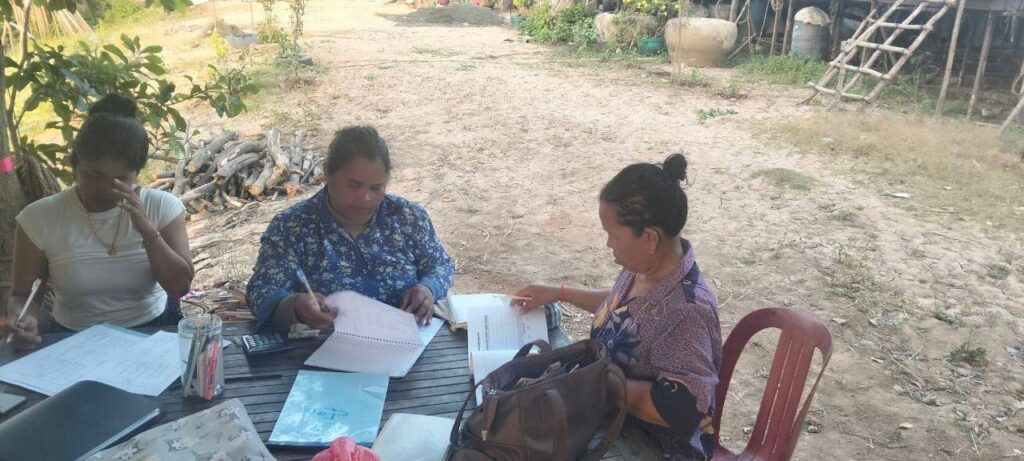
This initiative has been made possible through the generous support of the Critical Ecosystem Partnership Fund (CEPF), Oxfam’s Sudden Fund, and GEF Small Grants Programme (GEF SGP UNDP).
Together, we are demonstrating that community empowerment, sustainable livelihoods, and conservation can go hand in hand.
Related Articles