

Assessing Fishing Practices and Value Chain for Biodiversity-Friendly Products at Koh Kapik Ramsar Site
By Teng channak and San Sineang
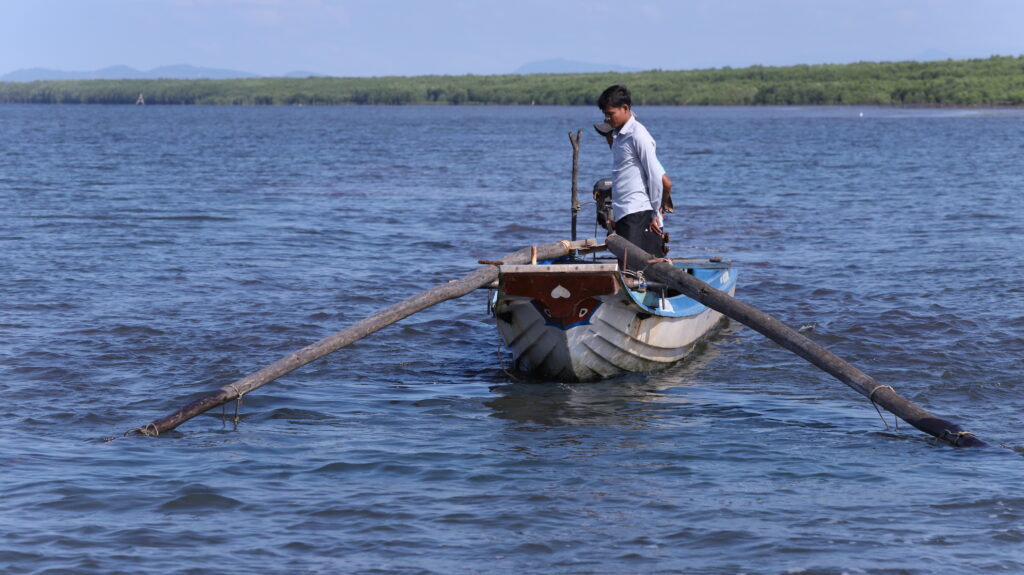
Koh Kong Province, Koh Kapik Ramsar Site is one of Cambodia’s most ecologically significant coastal wetlands, renowned for its largest and intact mangrove forests, which provide critical habitats migratory birds and marine species while supporting the livelihoods of local communities.
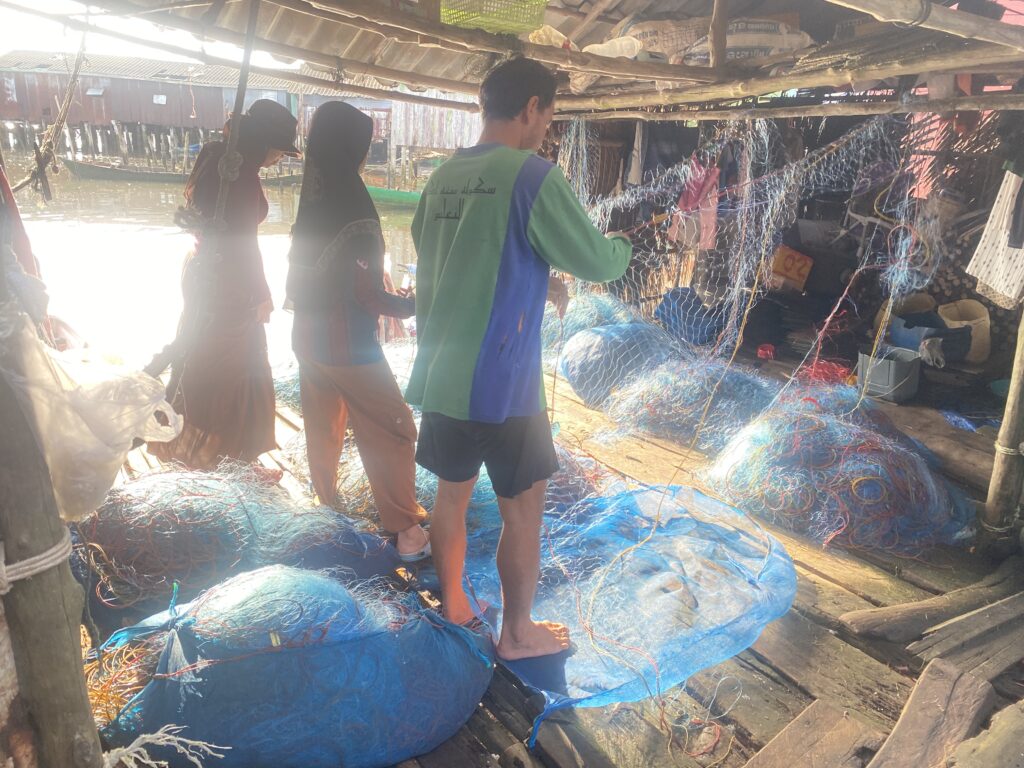
Fishing is one of the primary sources of income for communities living in Koh Kapik Ramsar Site. Alongside fishing, the processing of fishery products plays an important role in local livelihoods and provides opportunities for value addition and small-scale community enterprises. Recognizing the importance of balancing biodiversity conservation with community livelihoods, NatureLife Cambodia, through the 30×30 Southeast Asia Ocean Fund, has been working to promote sustainable livelihood opportunities that encourage local communities to adopt biodiversity-friendly practices, improve household incomes, and contribute to long-term protection of this important coastal ecosystem.
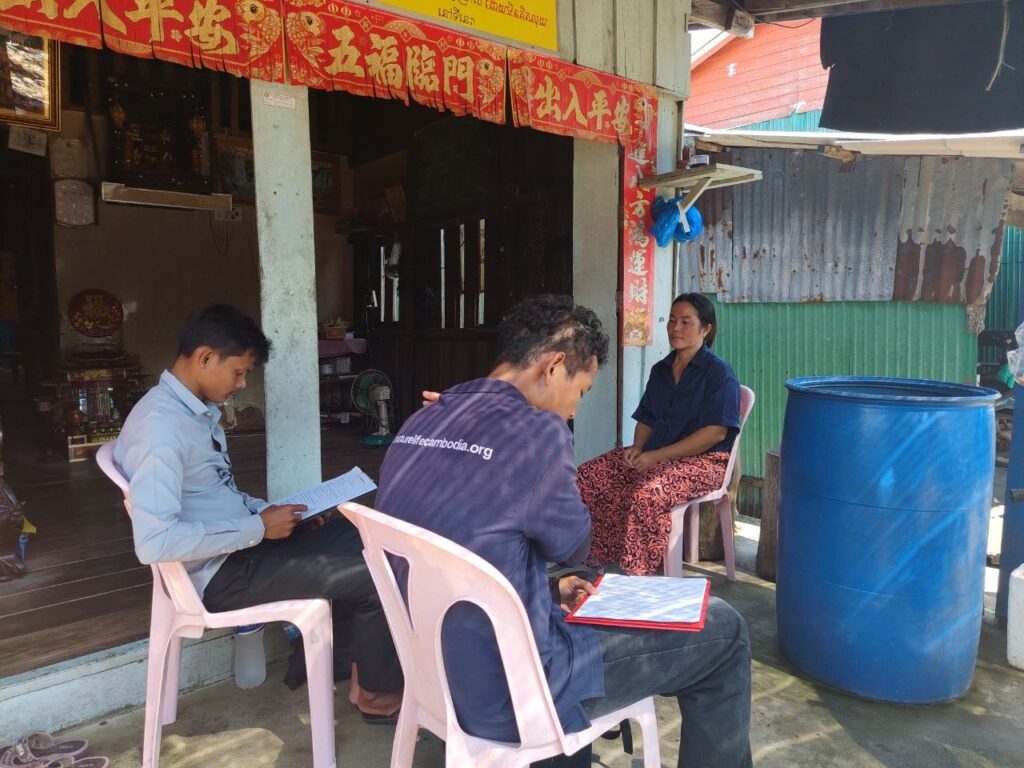
Following initial consultations, three priority fishery products were identified: shrimp paste, dried fishery products, and crab meat. To better understand their potential for adopting biodiversity-friendly practices and identify the most suitable products for future development, NatureLife Cambodia, in collaboration with Koh Kong Provincial Department of Environment, conducted field assessments in Koh Sralao and Koh Kapik Community Protected Areas from 4 to 5 November 2026. The assessment aimed to examine existing fishing practices, harvesting methods, and fishery product processing activities to identify opportunities to reduce negative impacts on biodiversity and natural resources while strengthening livelihood sustainability and creating greater economic opportunities for women.
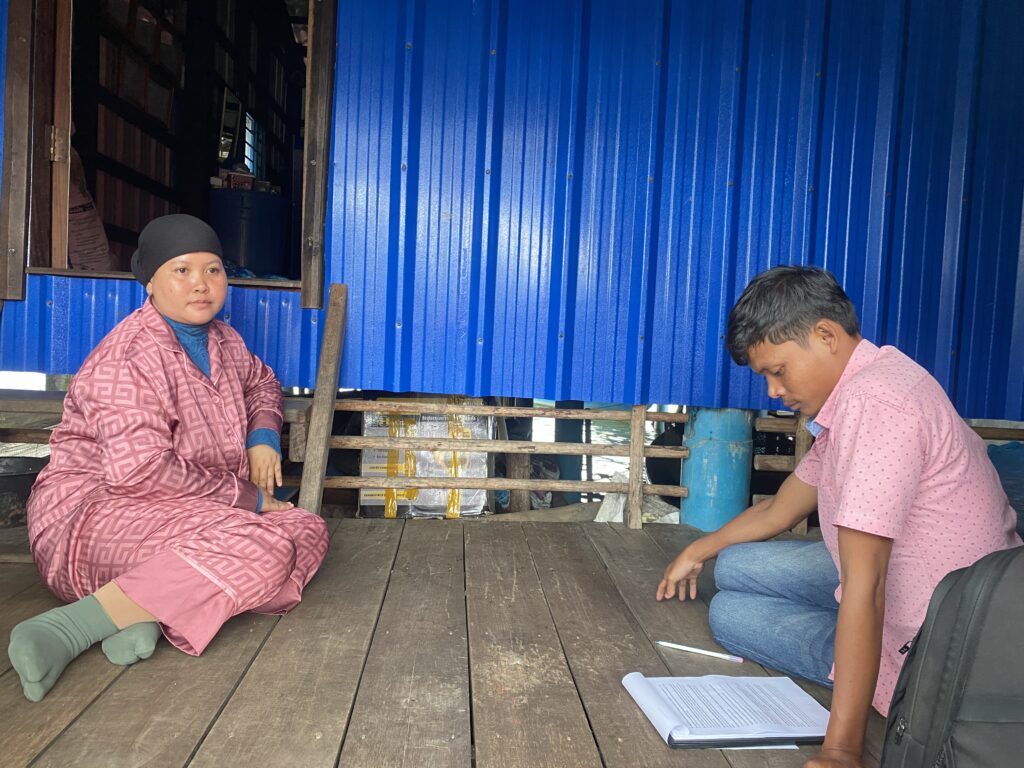
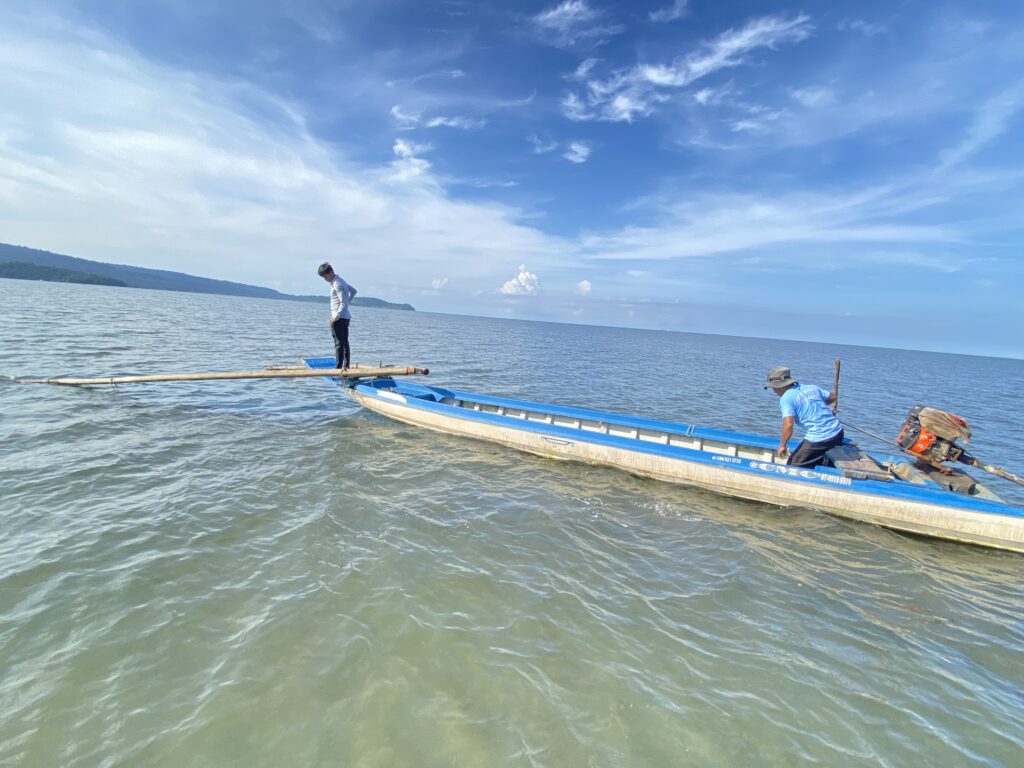
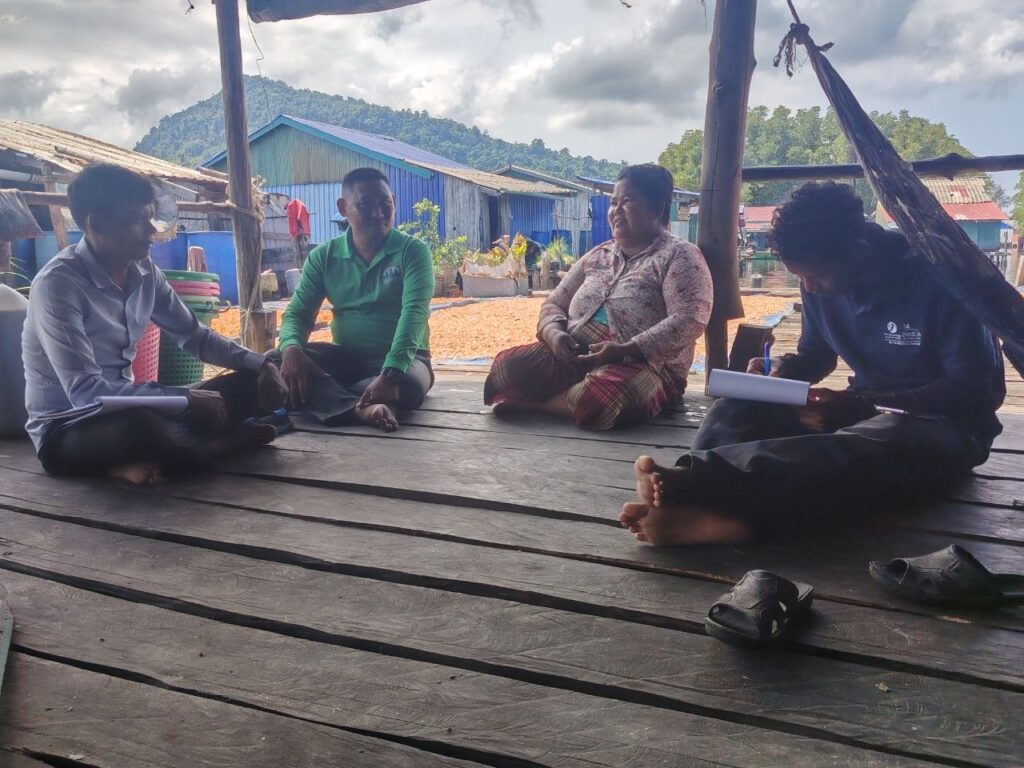
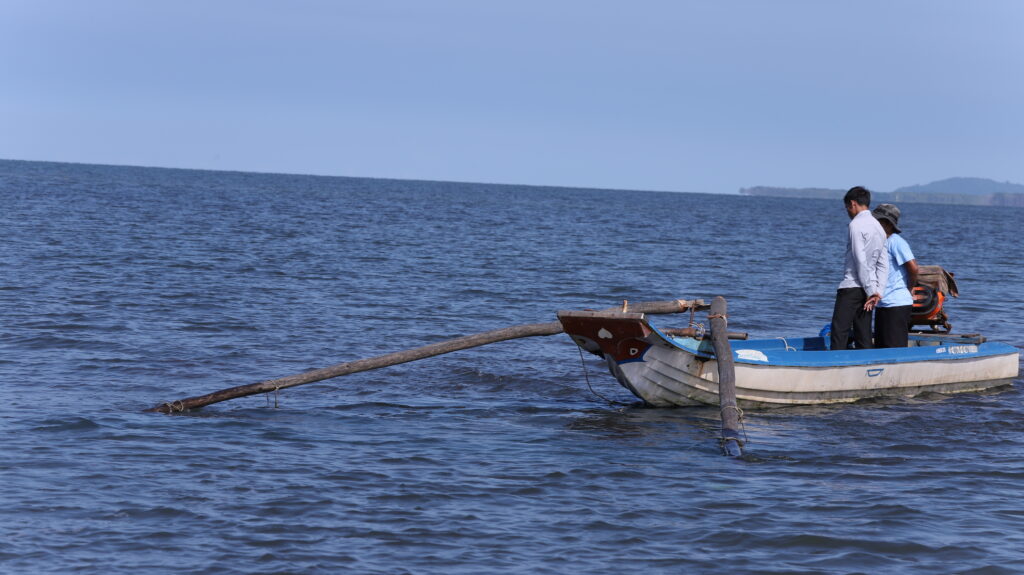
Through household interviews and field observations, the assessment team engaged with representative families involved in crab fishing, small-shrimp fishing, and seafood processing. Discussions focused on the types of fishing gear and equipment used, harvesting methods, and community perspectives on the potential impacts of fishing activities on marine resources and biodiversity.
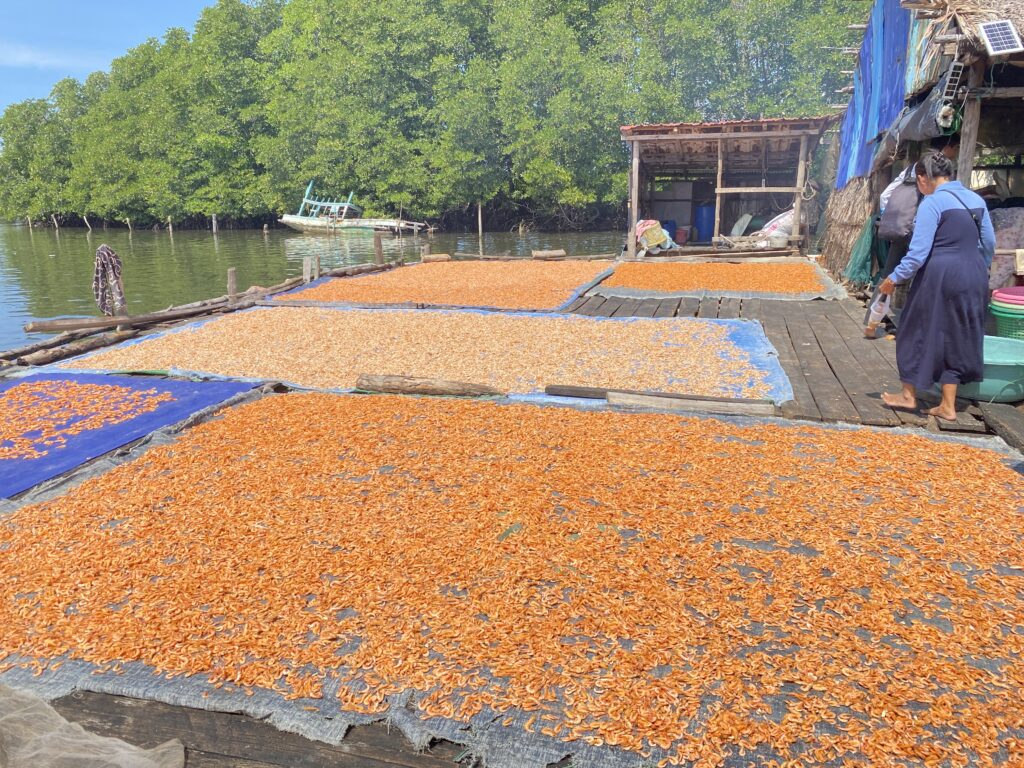
The assessment also explored the processing and marketing of the three priority products. Interviews with processing households focused on production volumes, sources of raw materials, processing techniques, supply chain management, market channels, existing challenges, and the current conditions and requirements of their processing operations. Local fishery product traders were also consulted to better understand market demand, trading practices, and potential market opportunities for processed products.
The findings from this assessment will help identify fishery products with the greatest potential to adopt biodiversity-friendly practices and selecting suitable products to pilot community-based processing groups at Koh Kapik Ramsar Site. By promoting responsible fishing practices and strengthening biodiversity-friendly product value chains, this will create lasting livelihood opportunities for local communities while contributing to long-term protection of mangrove forests and coastal ecosystems of Koh Kapik Ramsar Site.
Related Articles


