
Process of Establishing Biodiversity-Friendly Product Processing Groups in Koh Kapik Ramsar Site
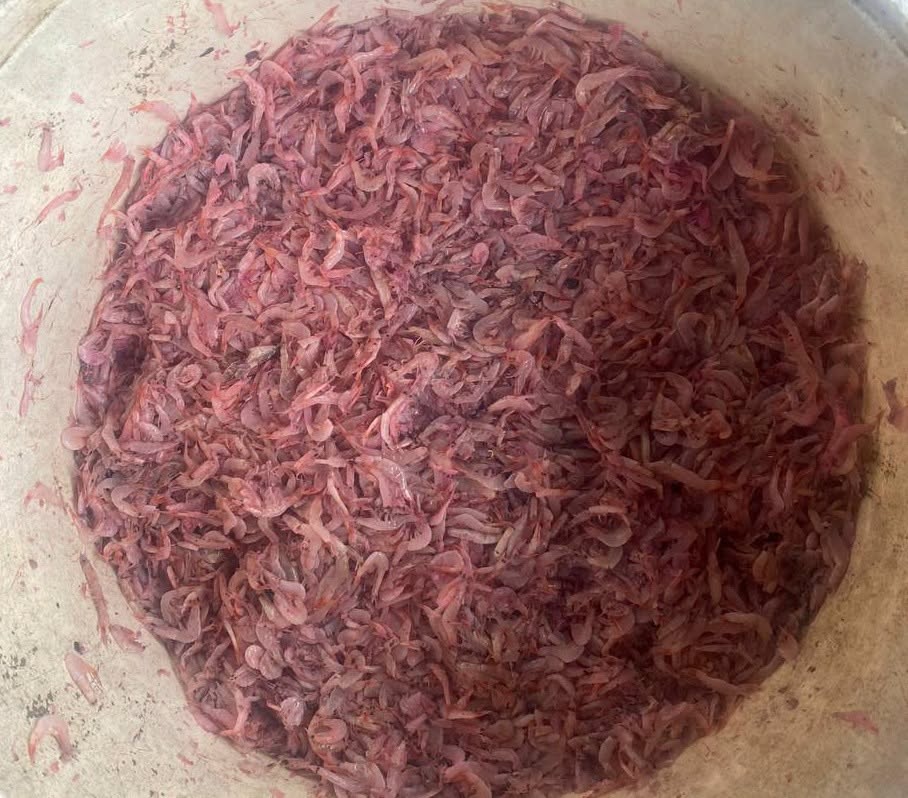
Promoting livelihoods and sustainable fisheries product processing are important for adding value to local products and strengthening community participation in natural resource conservation. Through the establishment of biodiversity-friendly product processing groups, communities can increase income-generating opportunities while promoting responsible resource use and supporting biodiversity conservation and wetland management.
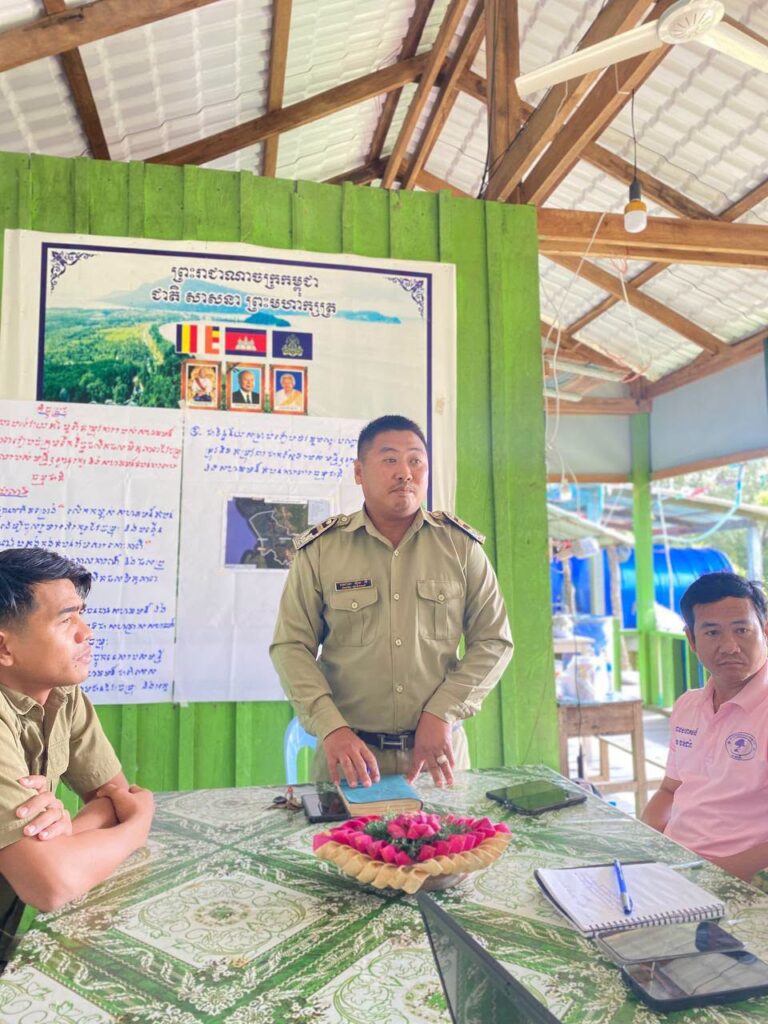
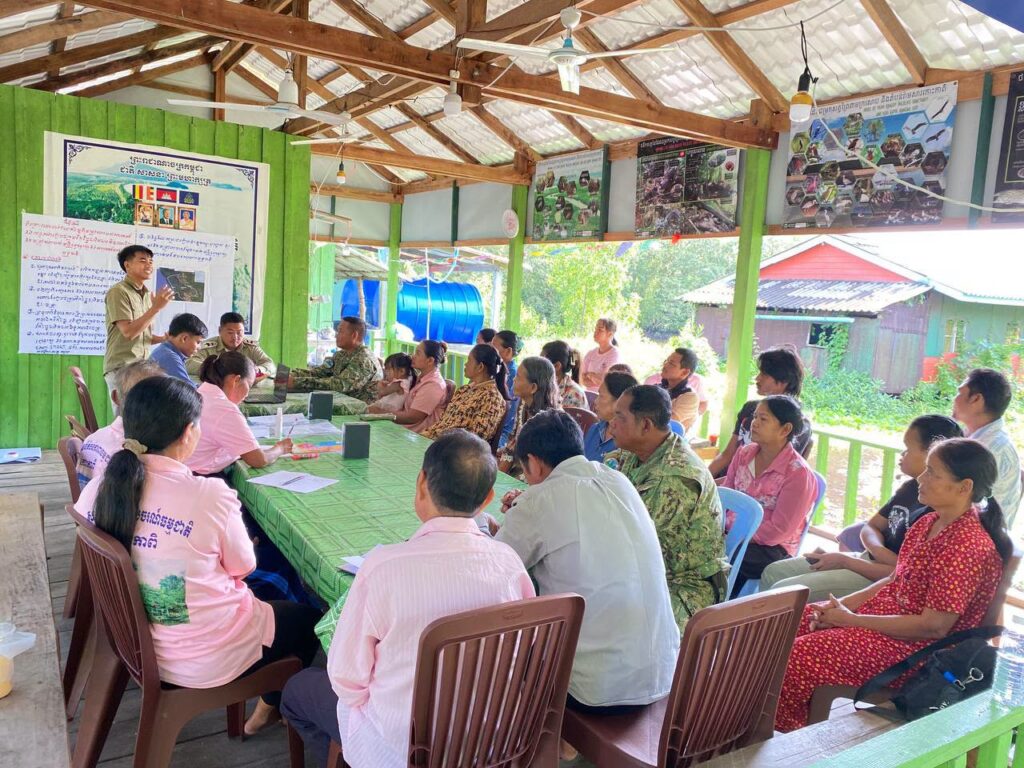
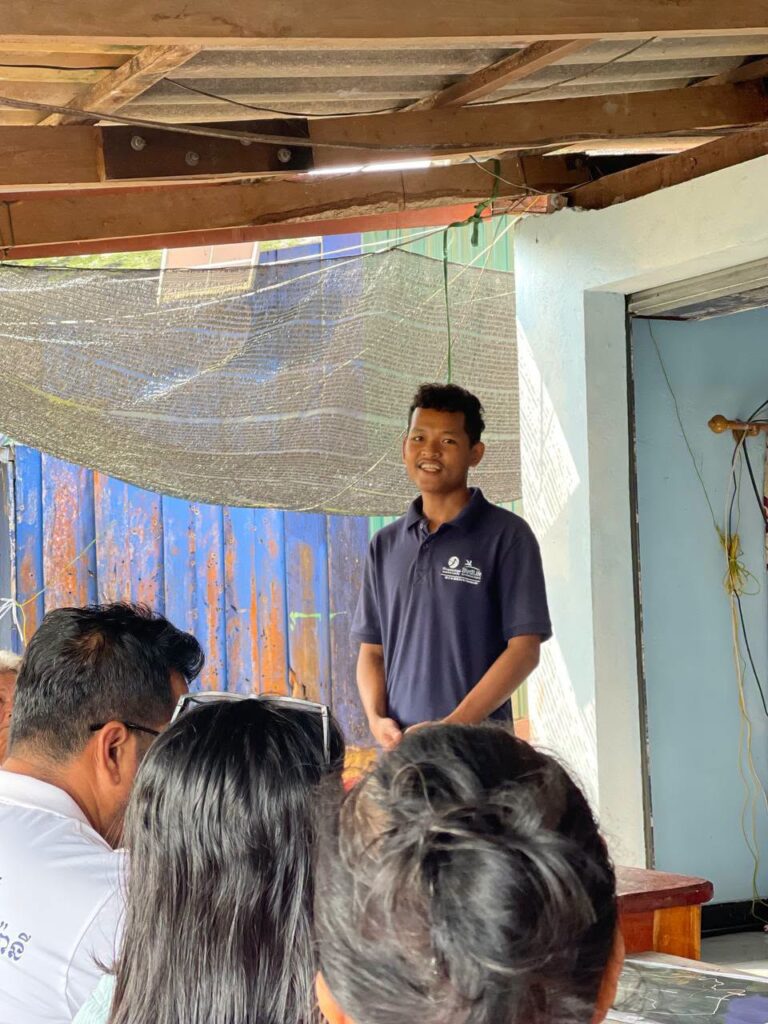
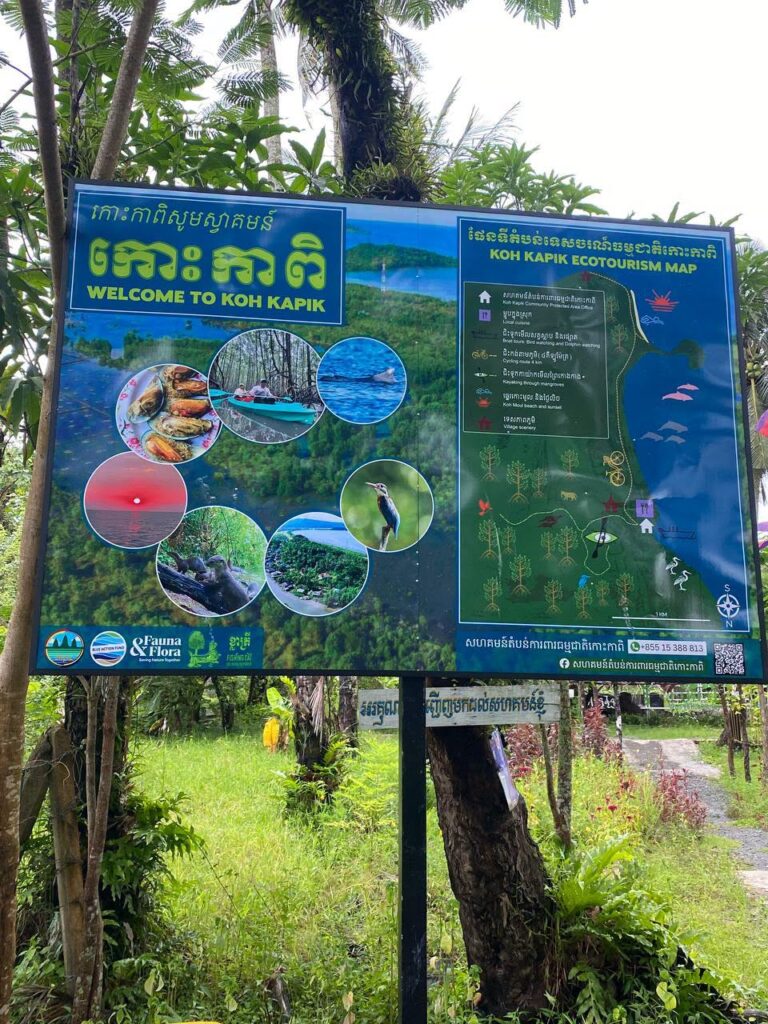
From 15–16 September 2026, NatureLife Cambodia, in collaboration with Koh Kong Provincial Department of Environment, organized a consultation meeting to assess needs and explore the feasibility of establishing fisheries product processing groups. The meeting aimed to assess the feasibility and needs of communities in Koh Sralao and Koh Kapik Community Protected Area (CPA), within Koh Kapik Ramsar Site, located in Koh Kapik Commune, Koh Kong District, Koh Kong Province, with financial support from 30×30 Southeast Asia Ocean Fund.
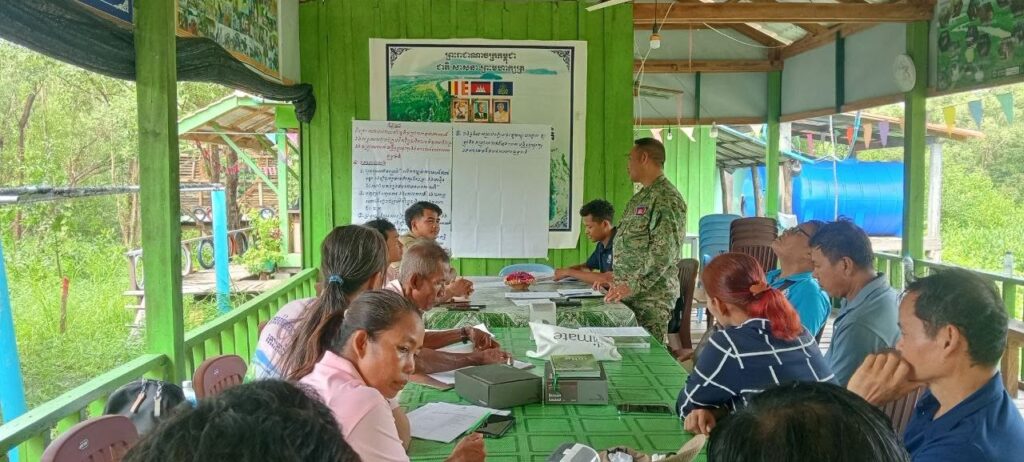
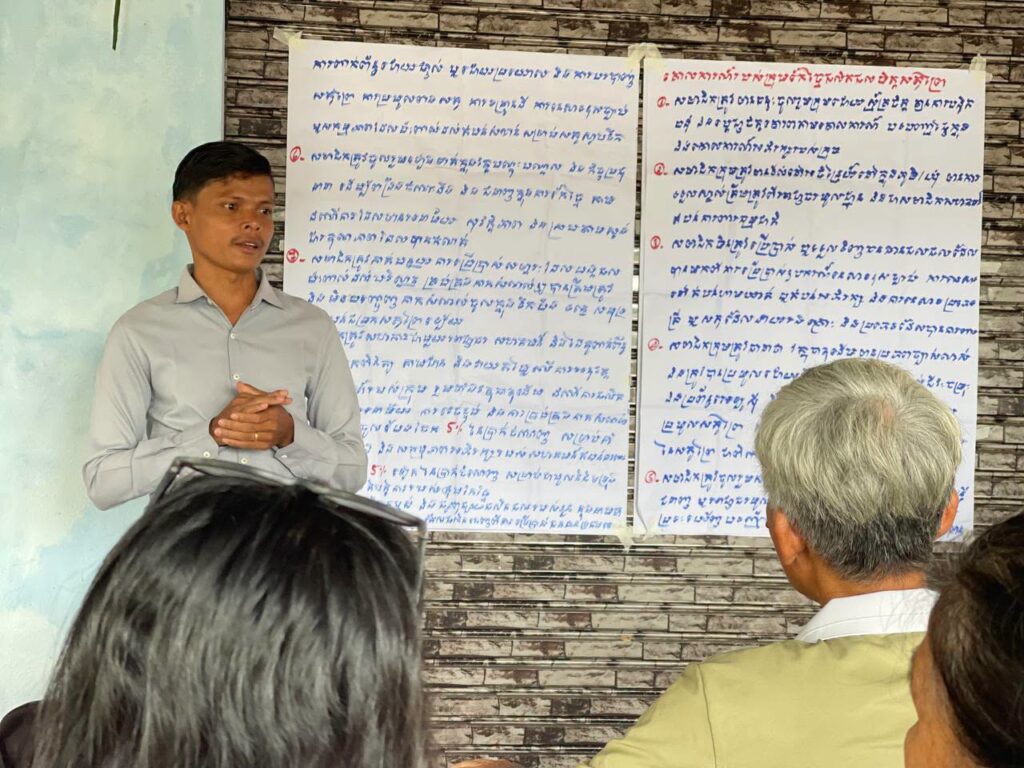
A total of 47 participants, including 29 women, attended the meeting. Participants included Koh Kapik Ramsar Site Manager, Commune Council representatives, Community Committee members, and community members involved in fisheries product processing. The consultation provided an opportunity for stakeholders to share information on natural resource use, the current situation and needs related to product processing, as well as challenges and opportunities for developing biodiversity-friendly products.
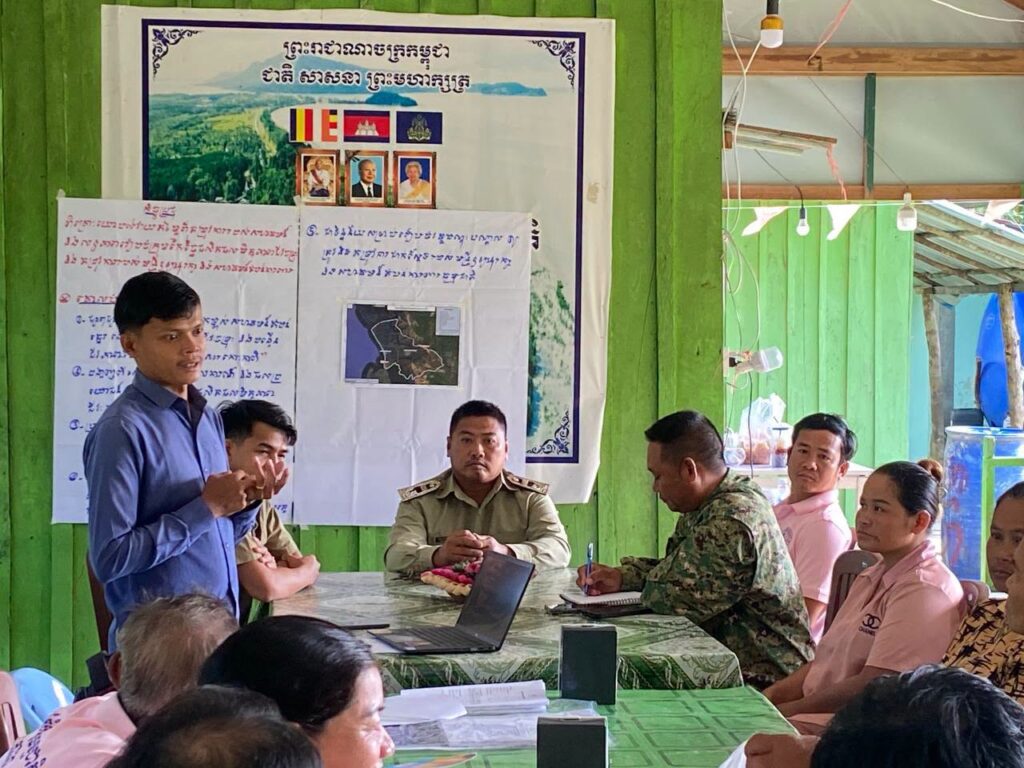
Through the meeting, community members and stakeholders gained a clearer understanding of the objectives, benefits, and principles of establishing biodiversity-friendly product processing groups and community enterprises. Participants also reached a general agreement to proceed with establishing the processing group in the next phase, with support from the project and relevant stakeholders.
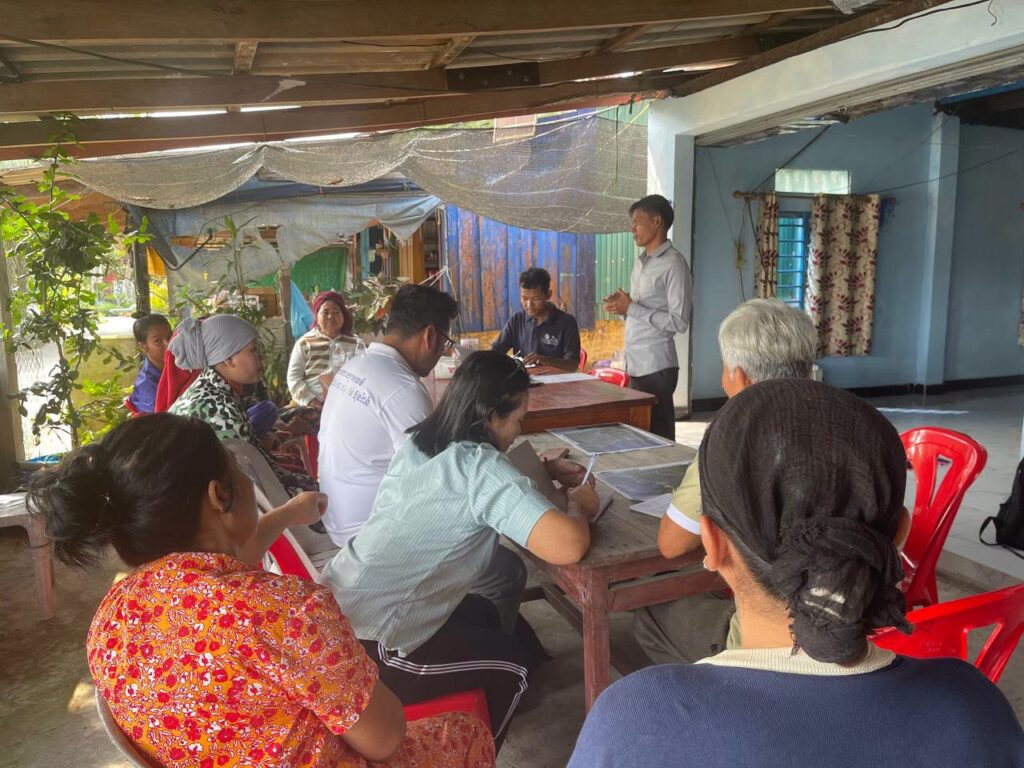
Koh Kapik Ramsar Site is home to one of Cambodia’s largest remaining intact natural mangrove forests and holds strong potential as an important site along the regional bird migration flyway. In this context, the establishment of biodiversity-friendly product processing groups can create sustainable livelihood and income-generating opportunities for local communities while promoting responsible and sustainable use of fisheries resources.
Related Articles