
Trapaeng in Lomphat Wildlife Sanctuary play key role in supporting endangered species
By Muth Sreymom
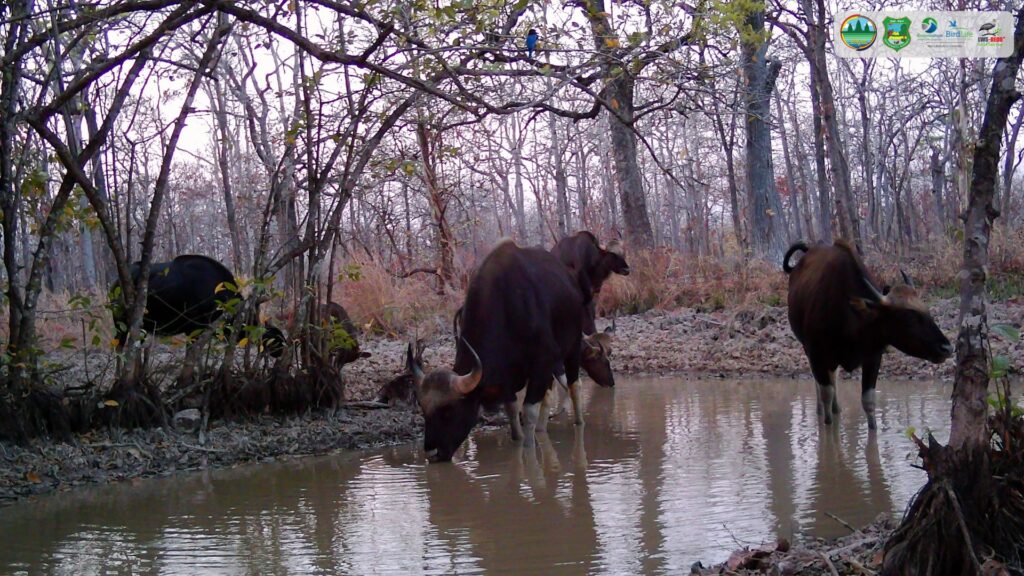
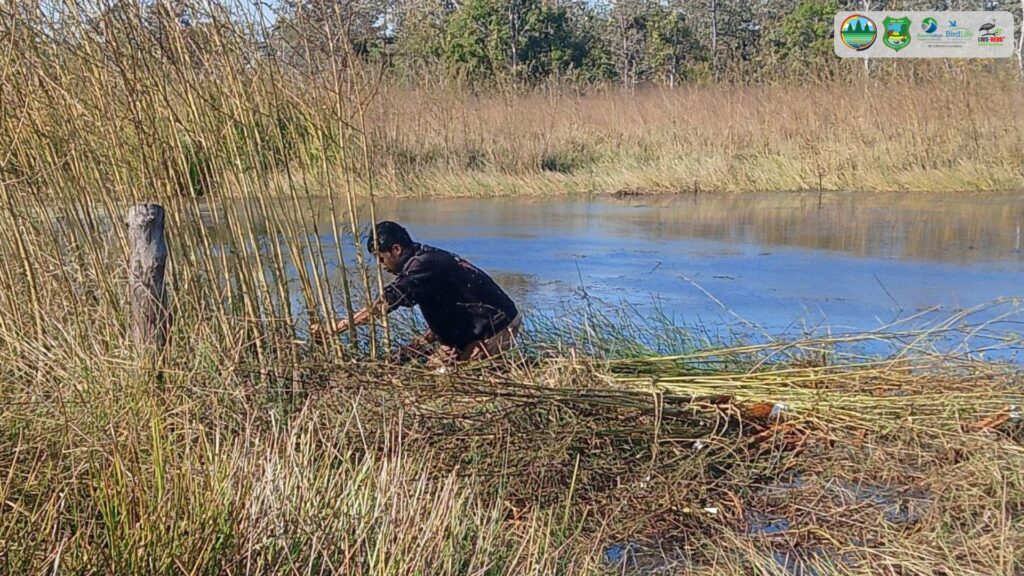
Twenty-four Trapaeng located withing Lomphat WS REDD+ project were selected for restoration and biodiversity monitoring.
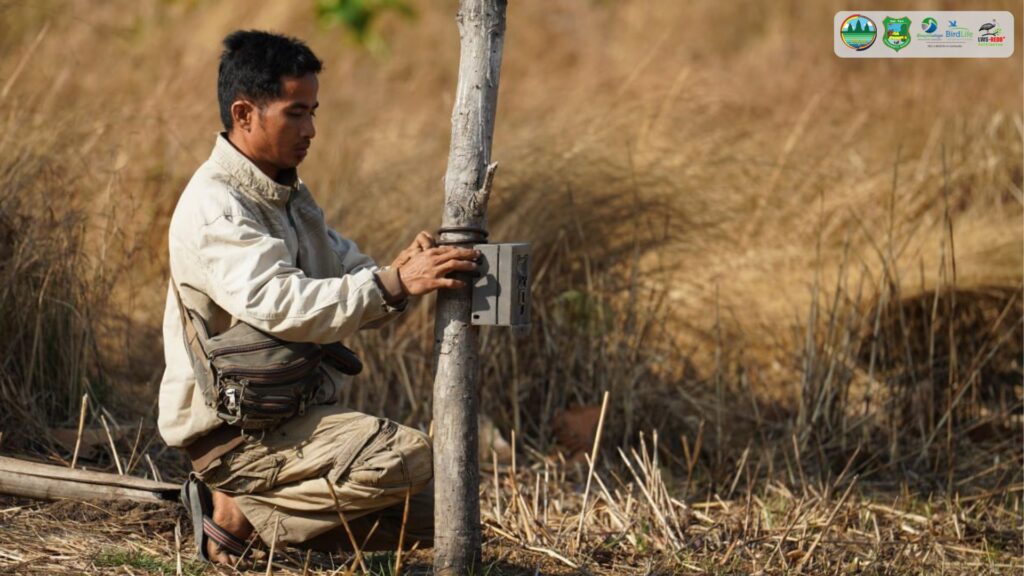
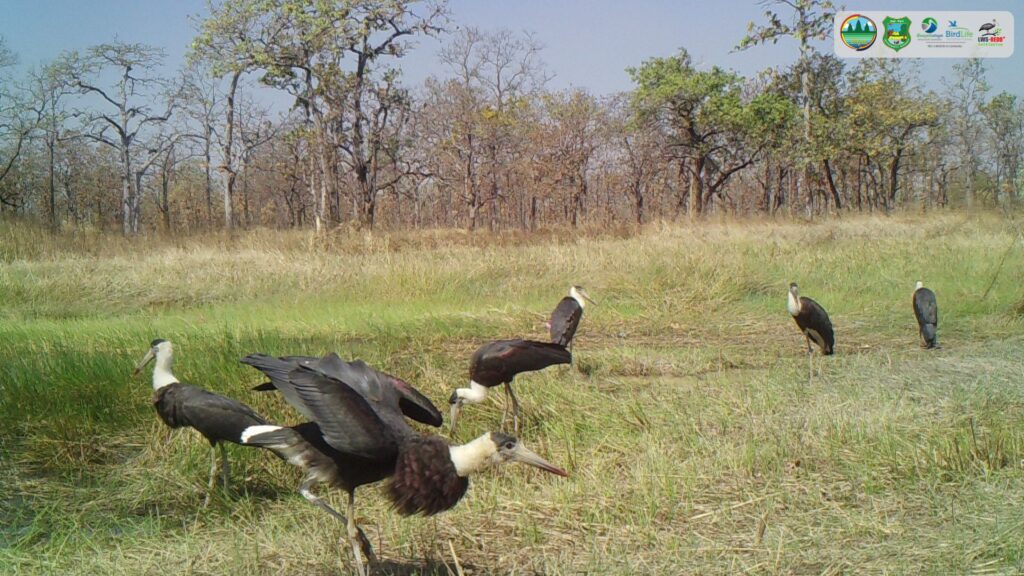
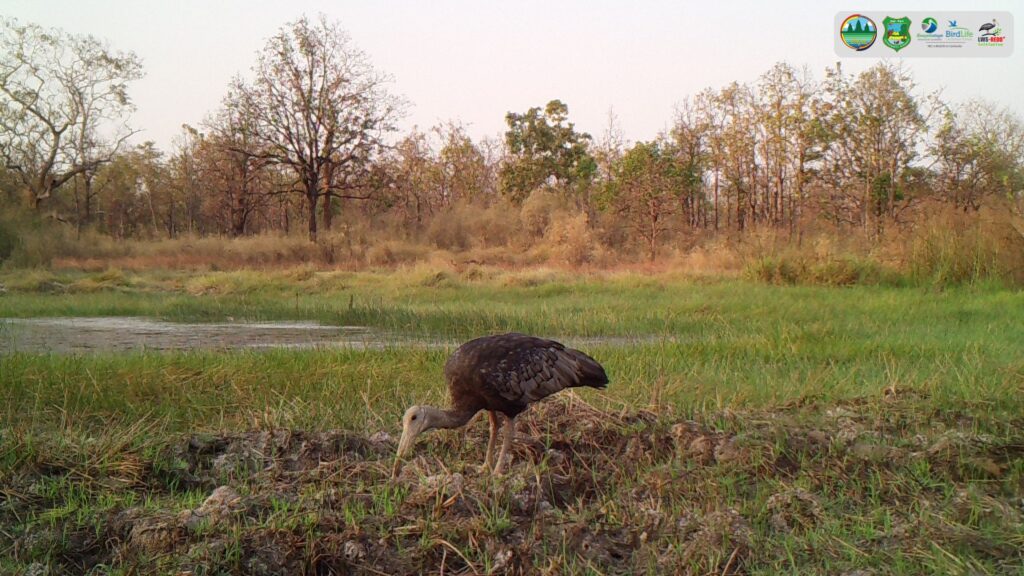
Primary monitoring result in the last January and February, indicates a positive outlook for biodiversity, particularly for several globally threatened bird species that rely on these seasonal water sources during the dry season.
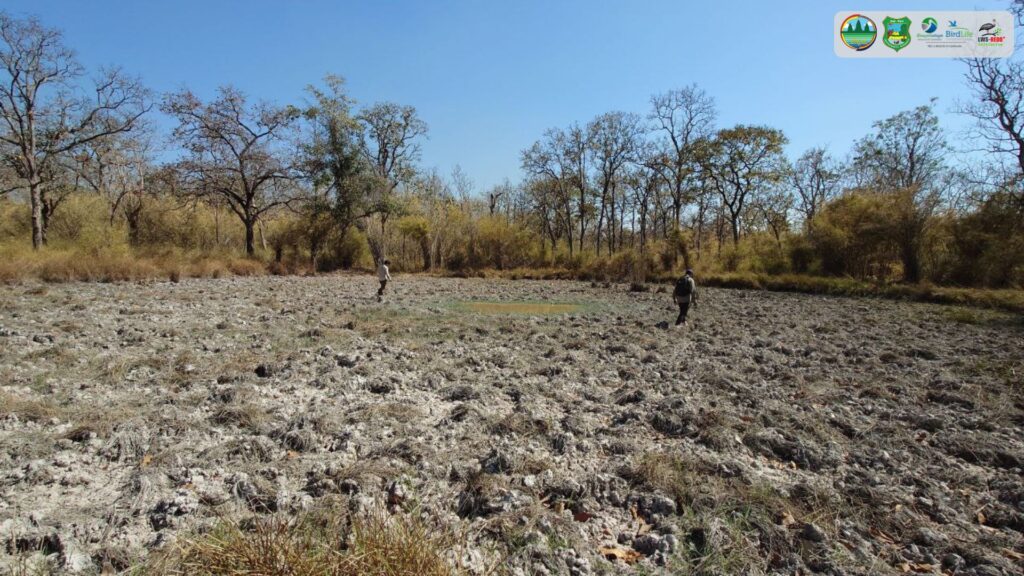
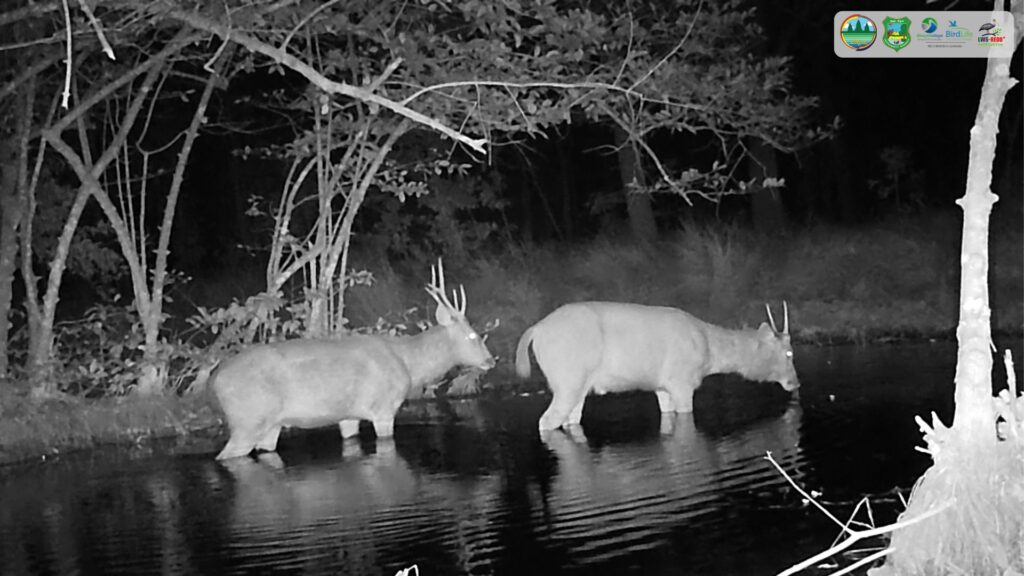
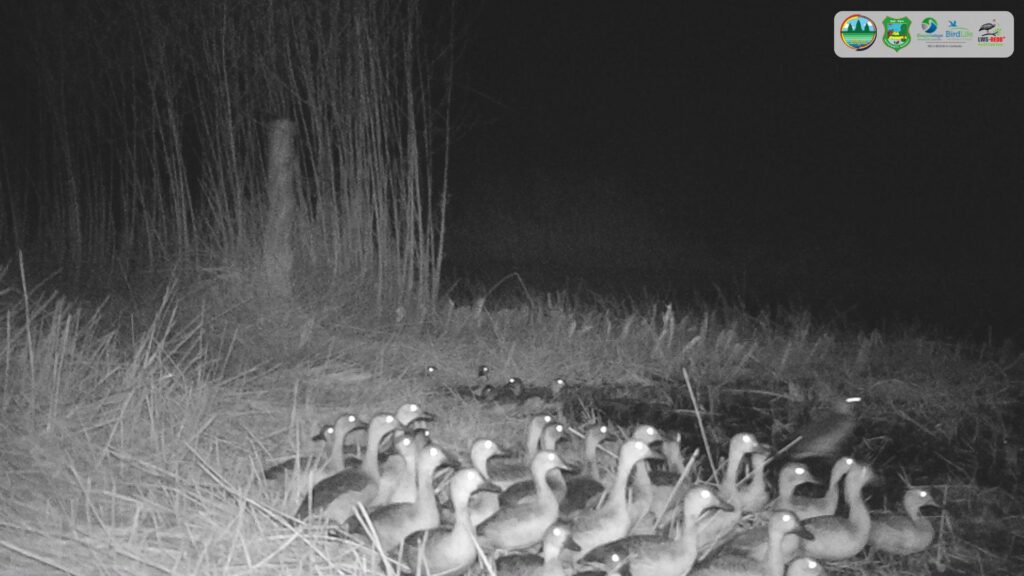
Nineteen restored tapaengs (water holes) were selected for direct monitoring and two non restored trapaeng were monitored by camera traps. Camera traps will be placed at waterholes during the dry season from December to May. All camera traps are set to automatically record the date and time and to operate 24h per day with the 30s between photographs.
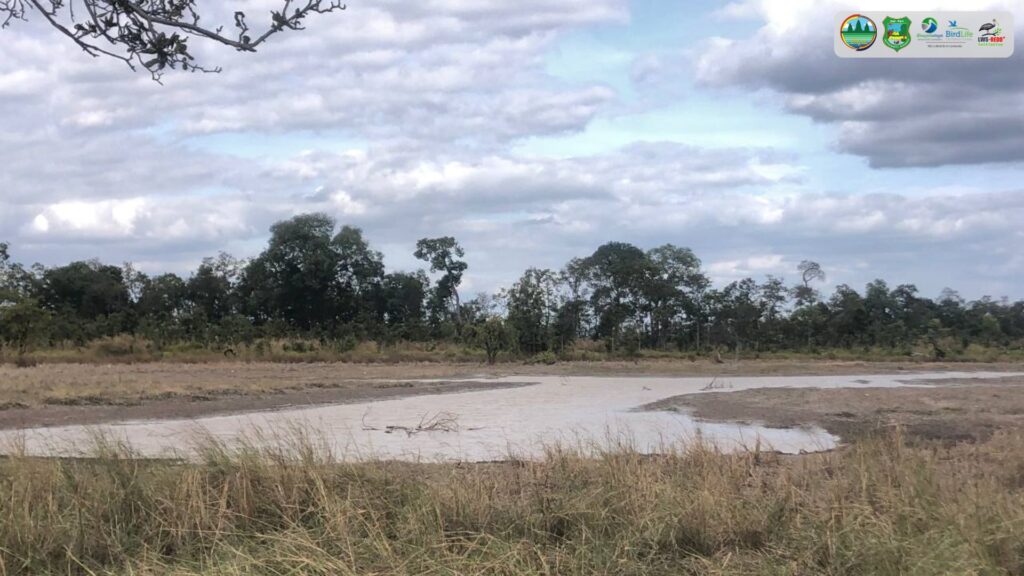
As a result, in January and February 2026, we recorded 34 species of wildlife including birds, ungulated, primates, small carnivores, and reptile’s species. Two species classified as critically endangered (Giant Ibis and White-shouldered Ibis), three species is endangered species (Green Peafowl, Silver Langur, and Pig-tailed Macaque), three species classified as vulnerable (Sarus Crane, Guar, and Sambar), and two as near-threaten species (Lesser Adjutant and Woolly-necked Stork).
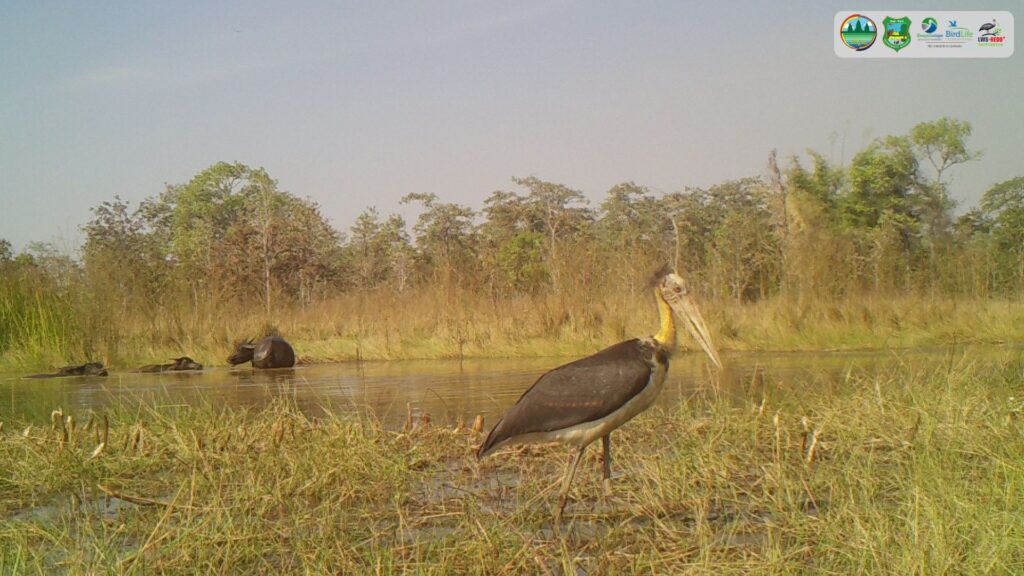
Lomphat REDD+ project contribute to species conservation and its habitat restoration.
Please support Ministry of Environment to protect Lomphat Wildlife Sanctuary!
Related Articles