
Site Managers Improved Capacity in SMART Desktop for Ramsar Site Management at Tonle Sap
By Mey Phanny
The capacity of site managers, technical officers, and frontline rangers is essential for effective protected area management, particularly in planning, implementing, monitoring, and evaluating conservation activities. Strengthening technical capacity of site managers is therefore an important step towards improving patrol monitoring, data management, and overall management effectiveness across these two Ramsar sites in Tonle Sap landscape.
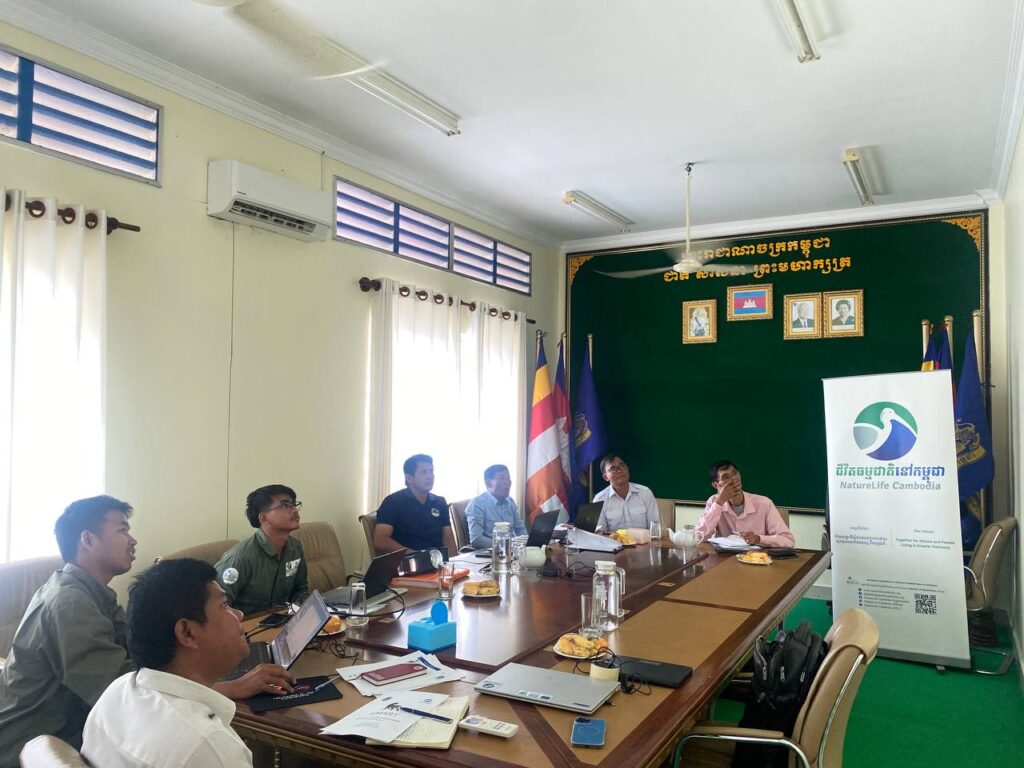
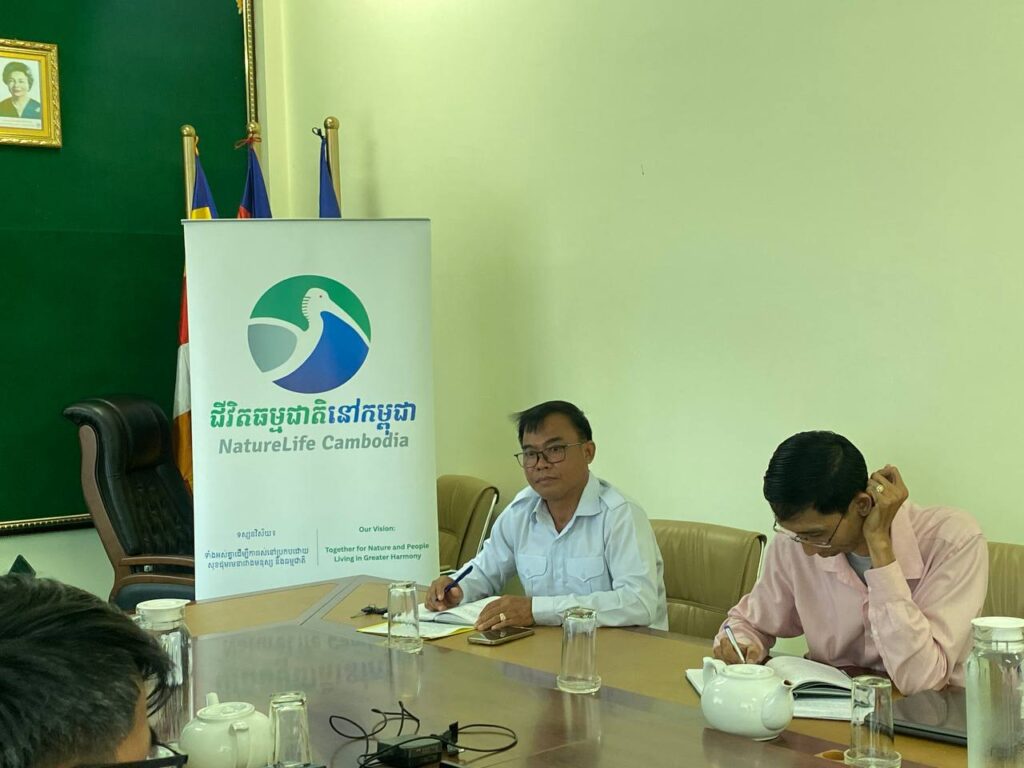
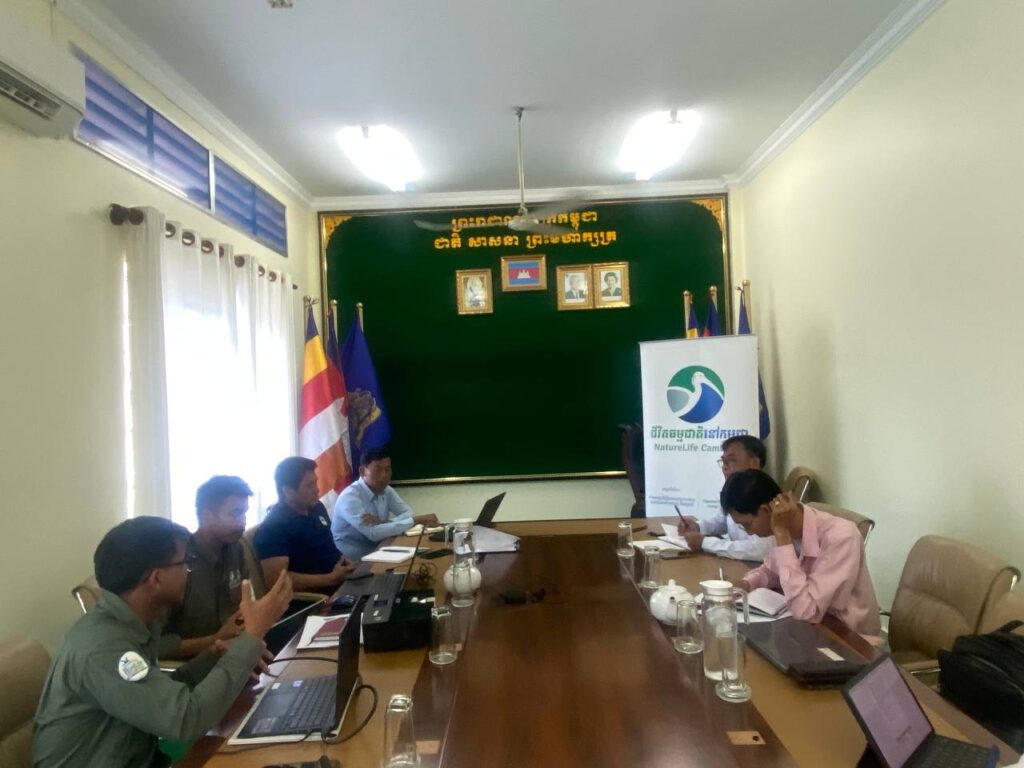
On 10–11 November 2026, NatureLife Cambodia, in collaboration with the Department of Freshwater Wetland Conservation of Ministry of Environment and Kampong Thom Provincial Department of Environment, conducted a training workshop on SMART Desktop Patrol Reporting for site managers of Stung Sen and Boeng Tonle Chhmar Ramsar Sites, Director of Community Development Office, and technical officer from Department of Freshwater Wetland Conservation. This training was financially supported by the Critical Ecosystem Partnership Fund (CEPF) through the project “Strengthening Civil Society Leadership and Community Stewardship in Tonle Sap Landscape.”
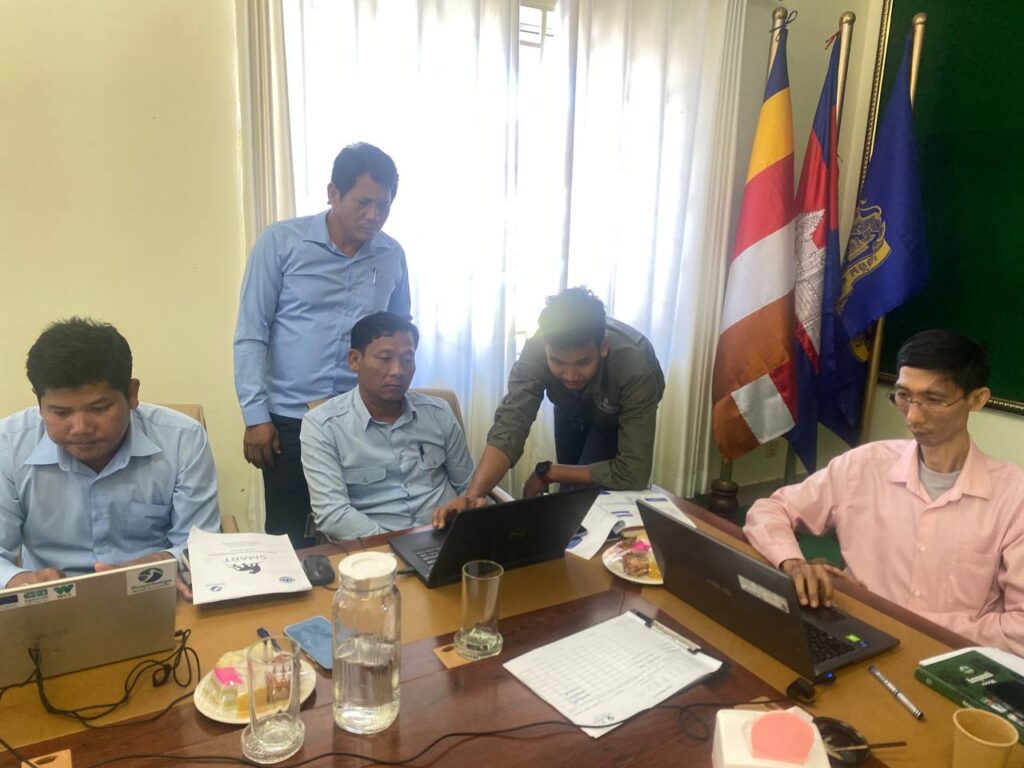
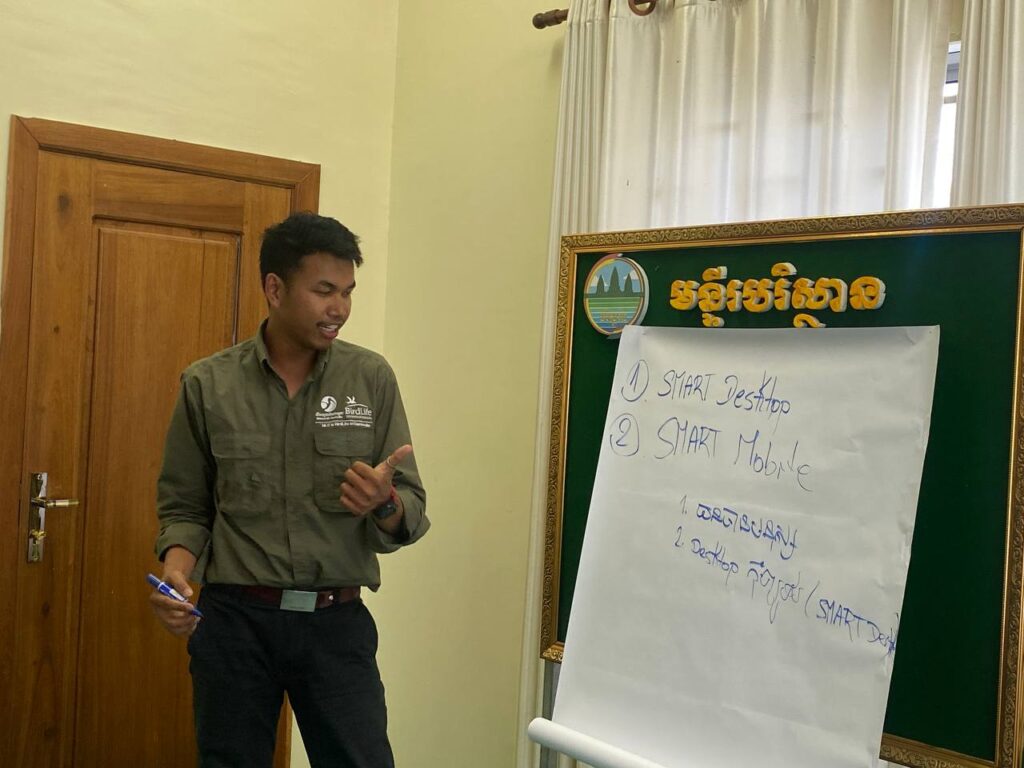
During the two-day training, participants gained practical knowledge and skills in using the SMART (Spatial Monitoring and Reporting Tool) Desktop application, covering key topics such as SMART software functions, patrol data review and management, standard reporting templates, and step-by-step process of generating patrol reports. Importantly, participants also engaged in hands-on exercises using actual patrol data from the two Ramsar sites to prepare monthly patrol reports.
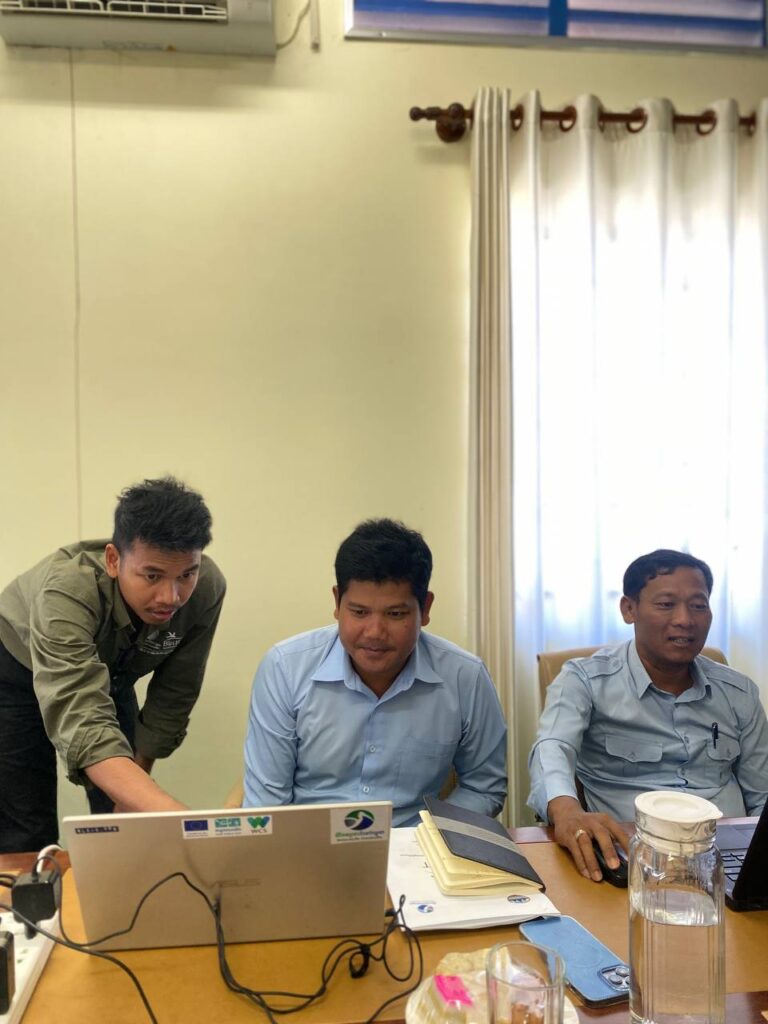
Based on the training evaluation, participants recognized the workshop as an important opportunity to develop practical skills in independently preparing SMART patrol reports. These skills will enable site managers and technical officers to better assess the effectiveness of field patrol activities conducted by site rangers and community patrol teams, while systematically compiling and analyzing patrol data to inform conservation planning and management decisions. The training also helped participants understand standard reporting formats, identify common challenges and gaps in patrol data collection, and recognize areas requiring further improvement in field implementation. Following the practical exercises, participants expressed greater confidence in importing, reviewing, managing, and generating monthly SMART patrol reports for their Ramsar site.
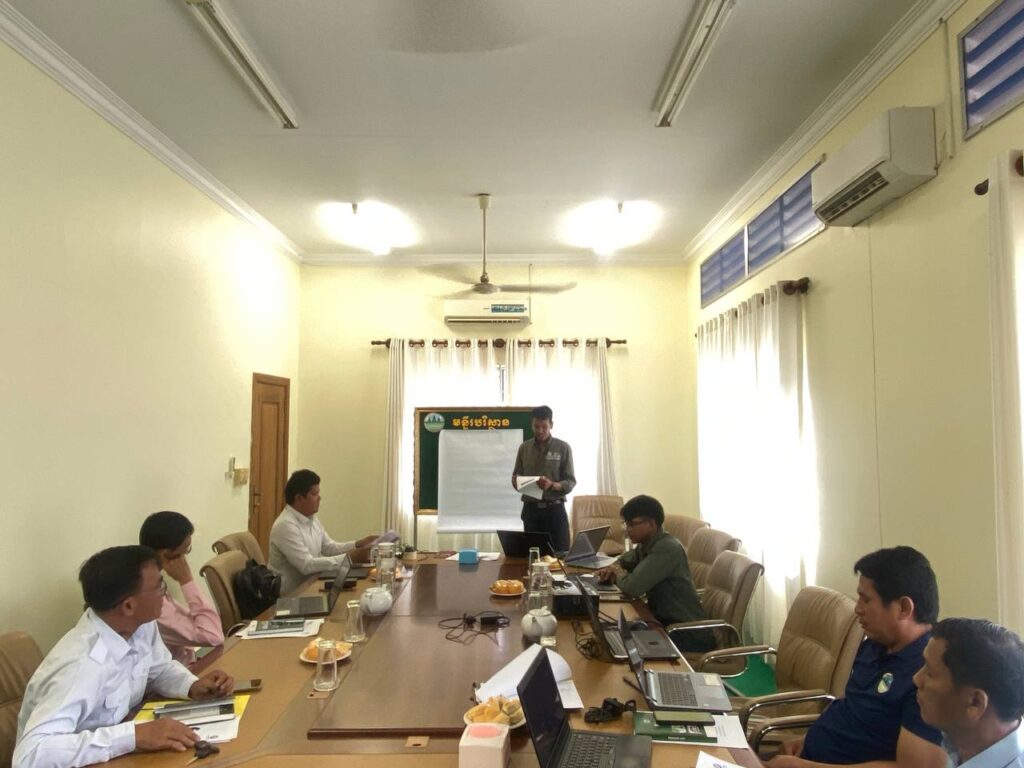
To ensure the effective application of these newly acquired skills, NatureLife Cambodia will continue providing technical support and follow-up coaching to the trained officers in preparing and reviewing monthly SMART patrol reports, starting in November 2026. This support will include reviewing reports prepared by individual site managers and technical officers, providing constructive feedback and additional guidance, and addressing any identified gaps in data management and reporting. Through this continued collaboration, the project aims to improve the quality, accuracy, and consistency of patrol reporting while strengthening evidence-based decision-making and the overall management of Stung Sen and Boeng Tonle Chhmar Ramsar Sites, Tonle Sap.

Related Articles